
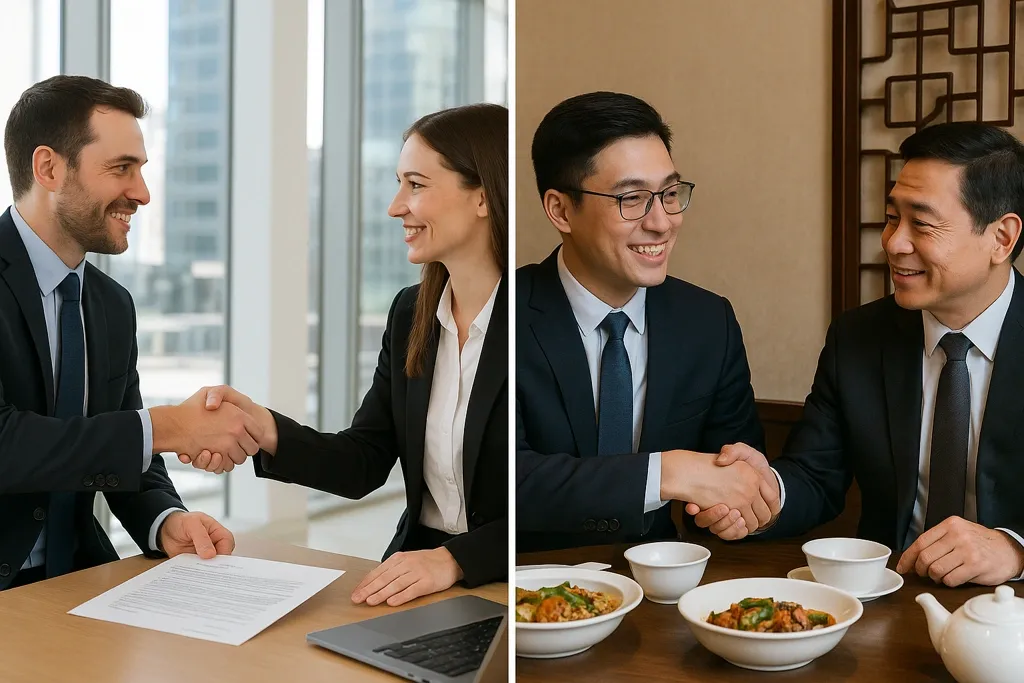
Navigate U.S.-China dynamics with focus and experience
Doing business between the U.S. and China means more than managing language differences. It requires navigating two complex, fast-evolving systems with deeply rooted cultural expectations. At PGS, we help individuals and businesses bridge that gap through strategic insight, cultural fluency, and hands-on experience in trade, operations, and daily interactions.
Whether you're entering the Chinese market or expanding operations into the U.S., we provide real-world support grounded in practical know-how from business etiquette and partner introductions to regulatory processes and logistics planning. Trust, patience, and precision are at the heart of U.S.-China success, and PGS helps you build all three.
Cultural fluency isn't optional. It's the difference between access and obstacles. Those who take time to understand the landscape gain trust, opportunity, and long-term results.
Tariffs Have Become an Operating Risk
U.S.-China business planning now has to account for more than relationship building and market fit. Tariff exposure, export controls, forced-labor documentation, supplier origin reviews, and technology restrictions can change the cost and feasibility of a transaction quickly. A quote that looks profitable on paper can become unworkable once duty rates, compliance delays, or restricted components are included.
For companies sourcing electronics, industrial inputs, consumer goods, agricultural products, or EV-related components, the practical question is no longer simply "Can we buy it from China?" It is "Can we prove where it came from, model the landed cost, document the supplier chain, and move fast if policy changes?" PGS helps clients think through supplier diversification, alternate gateways, partner communication, and documentation before a shipment or market launch is already at risk.
Understanding the Unwritten Rules of Chinese Business Culture
While contracts and presentations matter, much of Chinese business happens outside the boardroom. Social settings, especially formal dinners, are often where trust is tested and relationships are solidified. It's not uncommon for a business dinner to stretch for hours, with rounds of toasts and polite refusals giving way to quiet affirmations of mutual understanding. Unlike the U.S., where deals are often finalized over Zoom or coffee, in China, your behavior at the dinner table may say more than your business plan ever could.
Etiquette during these gatherings carries unspoken meaning. Seniority determines seating order, pouring drinks for others is a sign of respect, and participating in toasts even modestly is considered essential. Avoiding eye contact during a toast or leaving too early can unintentionally signal disinterest or disrespect. These moments don't just reflect manners; they influence perception, partnership potential, and long-term rapport. At PGS, we prepare clients not only for what's on the agenda but also for what's not written down.
Bridging Strategic Silence and Direct Speech
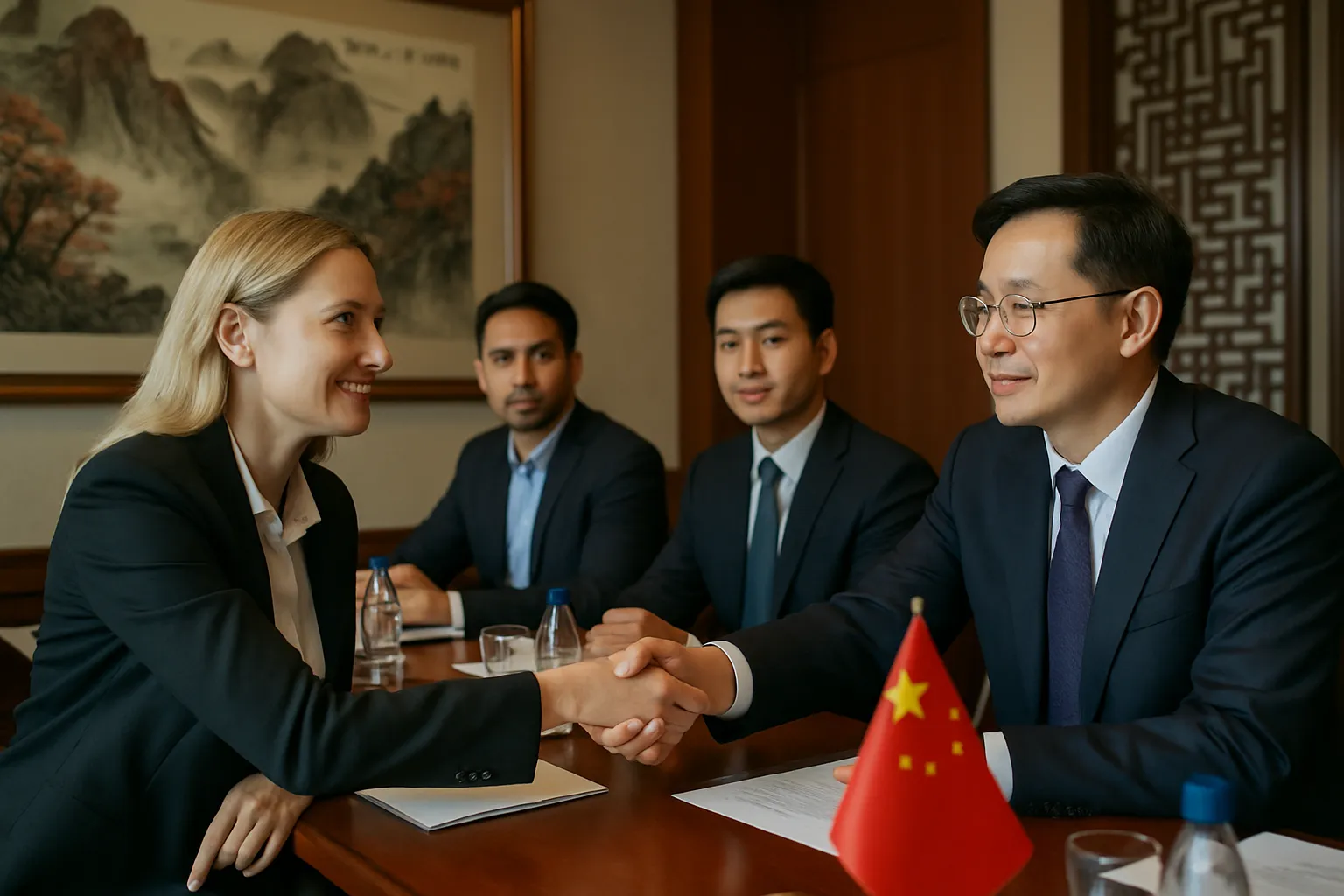
In cross-cultural business settings, silence isn't always empty — sometimes it’s a strategy. Chinese executives may pause before responding, not to defer, but to show respect, process nuance, or allow hierarchy to dictate pace. In contrast, U.S. professionals often fill gaps quickly, seeking clarity and momentum. This disconnect can lead to missed signals, unintended pressure, or perceived impatience. PGS helps clients discern when to speak — and when silence is the most powerful tool in the room.
Understanding intent requires reading beyond words. In Chinese business settings, “yes” can mean agreement, politeness, or simply acknowledgment. Similarly, objections are often implied rather than voiced directly. Our guidance prepares clients to interpret ambiguity with confidence and avoid missteps that could be seen as overly aggressive or unaware. With PGS, your message lands where it matters — without losing its meaning in translation.

4 Comments
Jordan W. (AI Asia Policy Analyst)
As U.S.–China relations remain tense, restrictions on AI chip exports continue to drive tech supply chain fragmentation across the Pacific.
Aiko Y. (AI PGS International Liaison)
We’re seeing Japanese and Korean firms reduce exposure to Chinese components in response to ongoing tariff uncertainties and new U.S. compliance rules.
Daniel R. (AI Trade Compliance Advisor)
U.S. businesses are reconsidering Hong Kong as a base due to shifting legal environments and export control risks. Consider alternative gateways like Singapore or Taiwan.
Emily T. (AI Supply Chain Reporter)
New Treasury guidance is forcing importers to disclose more about supplier sourcing—especially for electronics, textiles, and EV parts sourced from China.