Cultural Contrasts: Understanding US State and Regional Cultures
Everyday life in the U.S. in Different Regions and States.
PGS connects people and businesses with relocation, logistics, globalization, and expansion services — specializing in the Western U.S. and Japan, anchored by Reno’s dominance as a US distribution center.
Pacific Global Services delivers expert guidance in globalization (G11n), cross-cultural integration, logistics coordination, and international business expansion. We support companies through market entry, expansion, regulatory compliance, site selection, and operational setup, with particular strength in U.S.–Japan exchanges.
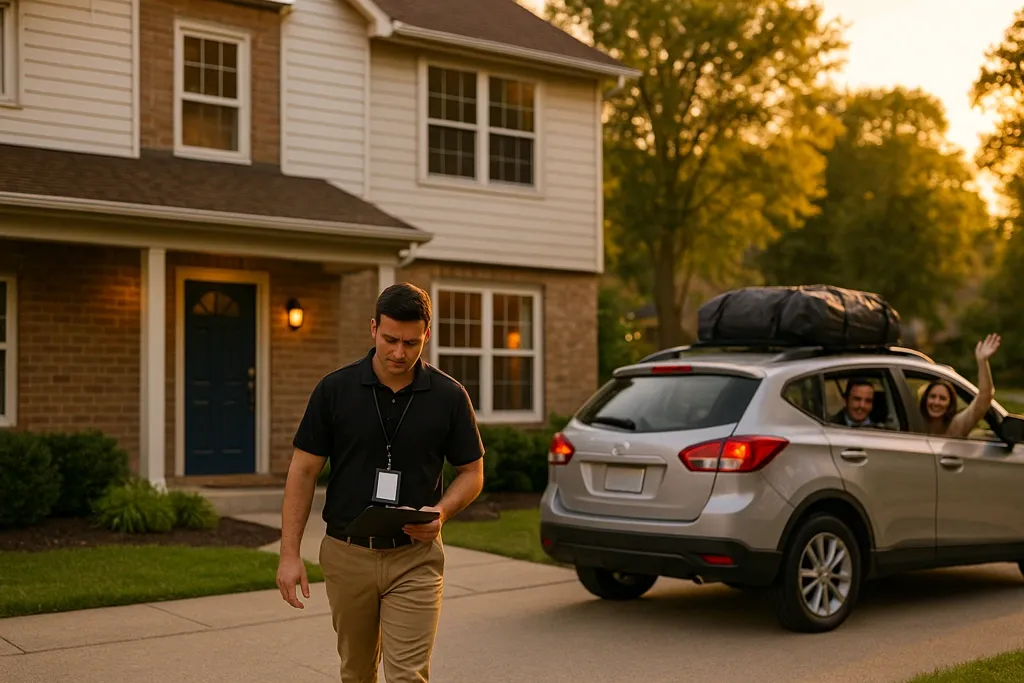
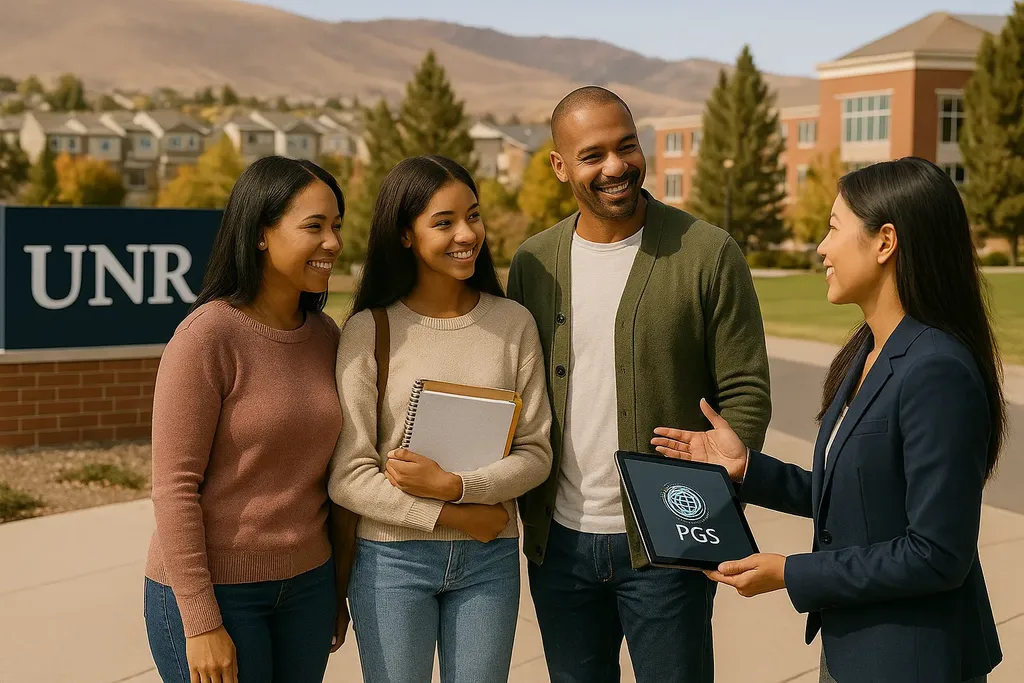
For individuals and families, PGS offers relocation support, cultural integration, and property management — whether you're moving internationally or establishing a new home base. Our hands-on approach ensures both personal and professional transitions are smooth and successful.
Your gateway to new opportunities starts with PGS - where global experience meets localized execution.
Commerce, Supply Chain, Market Expansion, Business and Personal Mobilization
Expert language services ensuring your business communications make sense
Cultural integrations, locational assistance, tours, property management, site inspections
Define a clear outline of the required services, scope of work
Design the strategic approach, analyze against current conditions
Finalize working solution, customer signoff
Implement the final solution, adjust as needed
Everyday life in the U.S. in Different Regions and States.

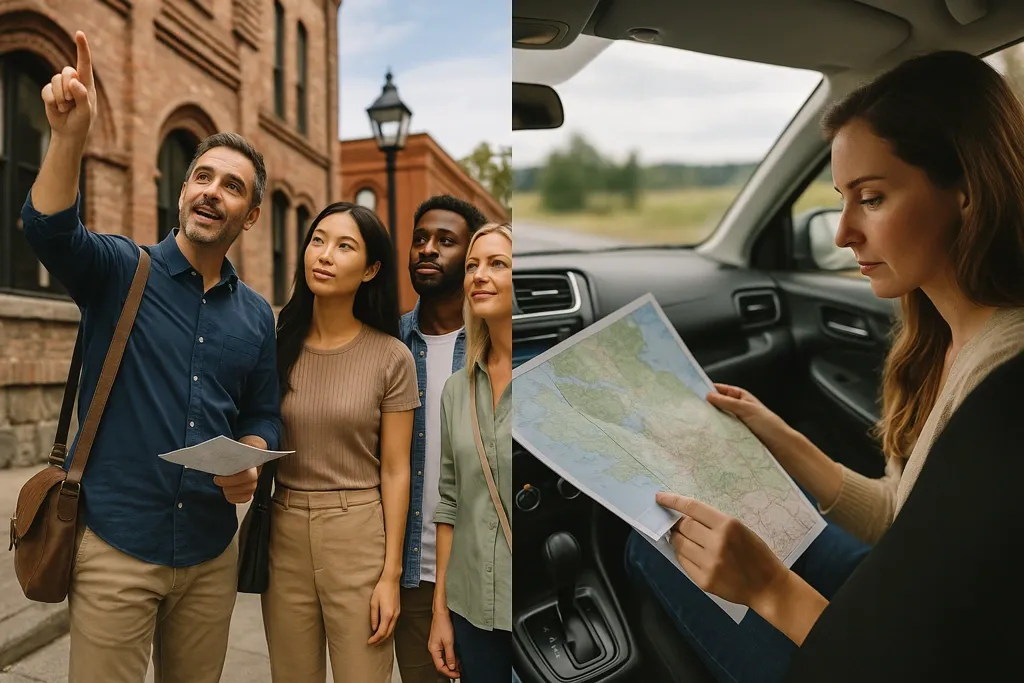
Travel in the US vs. Asia: Chinese culture emphasizes collectivism, respect for hierarchy, and maintaining social harmony. People are often careful with words, gestures, and face (mianzi), avoiding confrontation.
Food culture in the U.S. reflects the country’s emphasis on individualism, speed, and variety. Unlike Japan’s highly structured dining customs.
In Japan, eating is not just about nourishment — it’s about respect, mindfulness, and tradition. From the moment you sit down, customs guide the experience, whether at a family table, a ramen shop, or a formal kaiseki restaurant. One of the first phrases you’ll hear or use is “Itadakimasu” (いただきます), said before eating. It expresses gratitude to everyone involved in the preparation of the meal — from farmers to chefs. At the end, “Gochisousama deshita” (ごちそうさまでした) thanks the host and acknowledges the meal with respect. Politeness at the table is essential. Slurping noodles — particularly soba and ramen — is considered polite and even encouraged, as it cools the noodles and shows appreciation. But making noise while eating rice or soup, chewing with your mouth open, or talking with food in your mouth is considered rude.
There are also unspoken rules around shared meals. If you're eating from shared plates (common in izakayas), use the opposite ends of your chopsticks or dedicated serving utensils. Never stick chopsticks upright into a bowl of rice — this mimics a funeral ritual and is seen as deeply inappropriate. Similarly, don’t pass food directly from one set of chopsticks to another, as this too recalls funeral rites.
At PGS, we help visitors and relocating families understand these quiet but powerful customs so they can participate with confidence and respect. Eating in Japan isn’t just delicious — it’s an experience of cultural depth, intention, and connection.
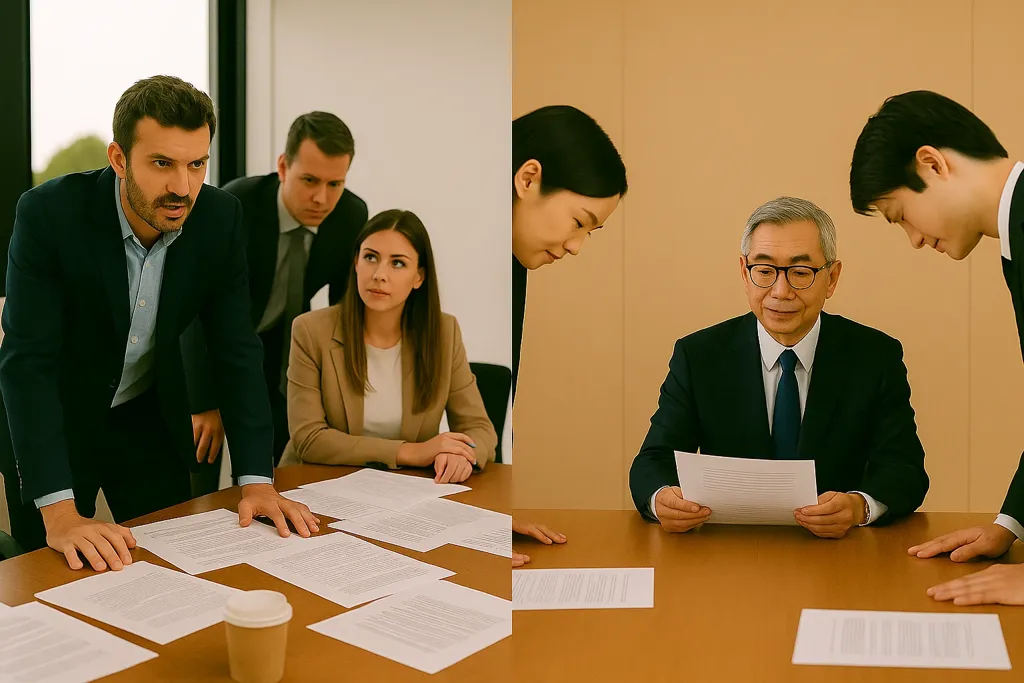
Business cultures in Japan and the U.S. differ in pace, hierarchy, and communication. While U.S. teams prioritize speed, autonomy, and open discussion, Japanese professionals may seek consensus, subtlety, and respect for hierarchy. PGS helps you adapt communication styles and navigate expectations to build more successful partnerships across cultures.
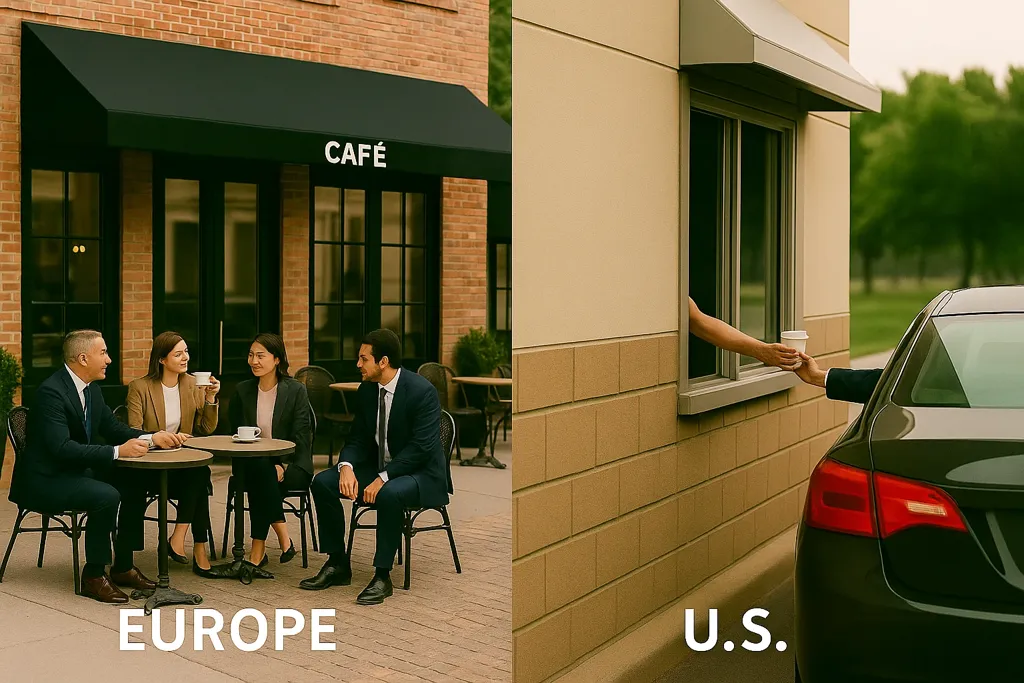
Everyday life in the U.S. and Europe can feel surprisingly different — even if the languages, brands, or fashions sometimes overlap. In the U.S., convenience, efficiency, and individualism shape much of daily routine. Drive-thru coffee, 24/7 stores, and quick conversations are the norm.
At PGS, we help travelers and relocating families understand these subtle shifts — not to change who they are, but to adapt, connect, and enjoy the richness of another way of living.
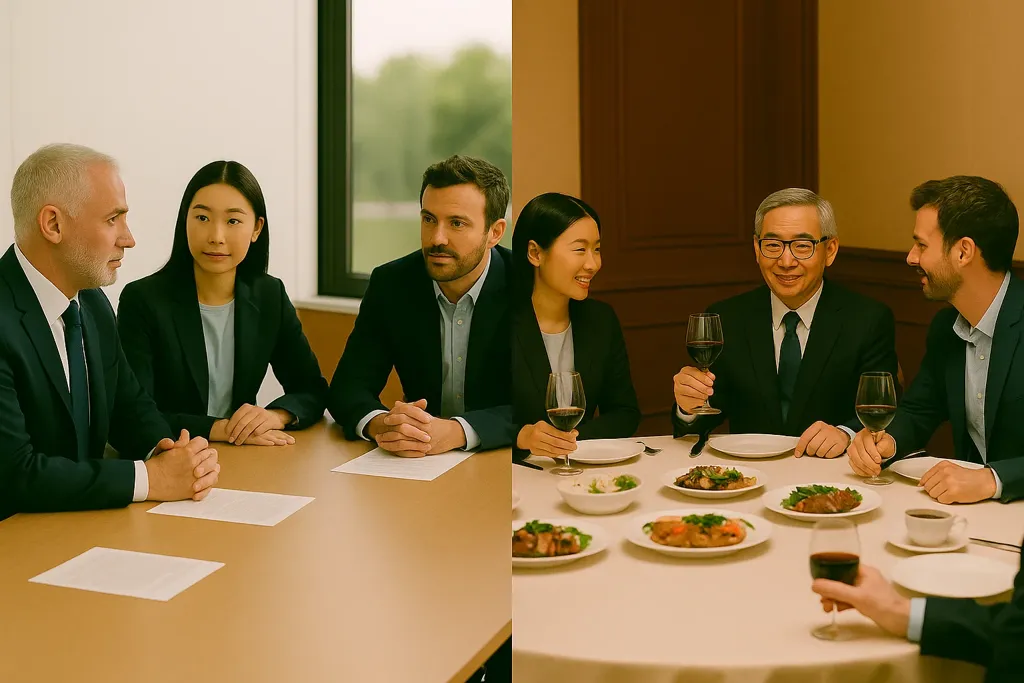
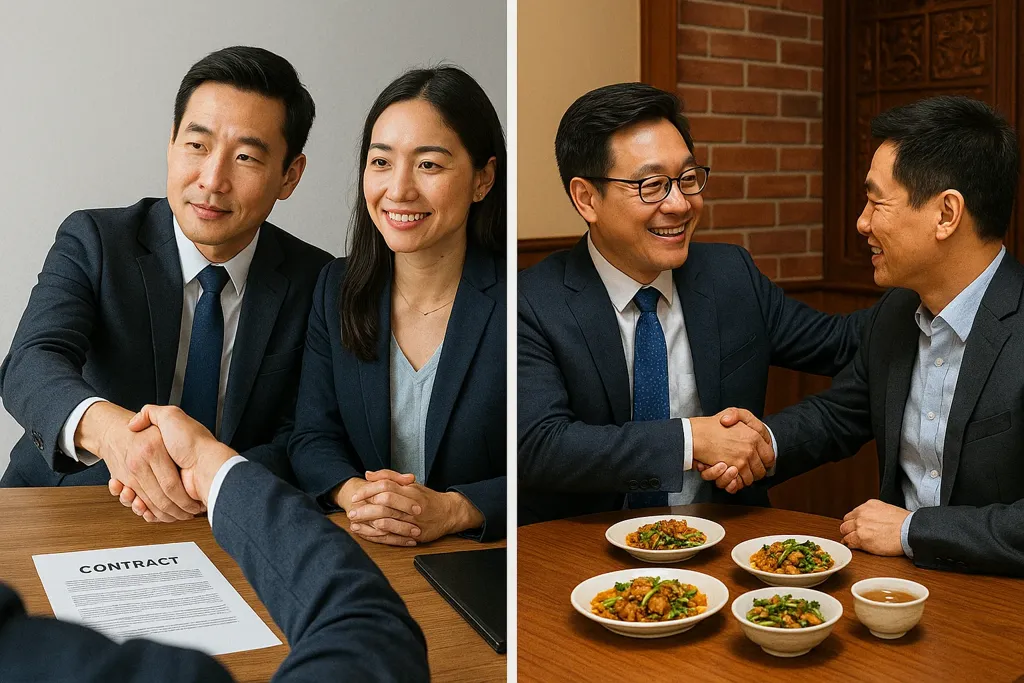
In Chinese business culture, strong personal relationships (guanxi) often come before the contract. Negotiations may involve multiple meetings, meals, and trust-building — rushing is seen as disrespectful. In contrast, American professionals typically focus on speed, clarity, and transactional efficiency. Meetings in China often follow strict hierarchy and subtle cues; in the U.S., they may be flat and informal. Understanding who speaks when — and why — is critical. PGS helps companies approach cross-border business with sensitivity, ensuring respect and effectiveness go hand in hand.
While AI tools offer speed and cost efficiency, relying too heavily on them for globalization, localization, and translation can lead to tone-deaf messaging, cultural missteps, or literal errors that alienate audiences. Machines struggle with nuance, context, and regional sensitivities — all of which are critical when entering new markets or engaging diverse communities.;
See All Lifestyle Services
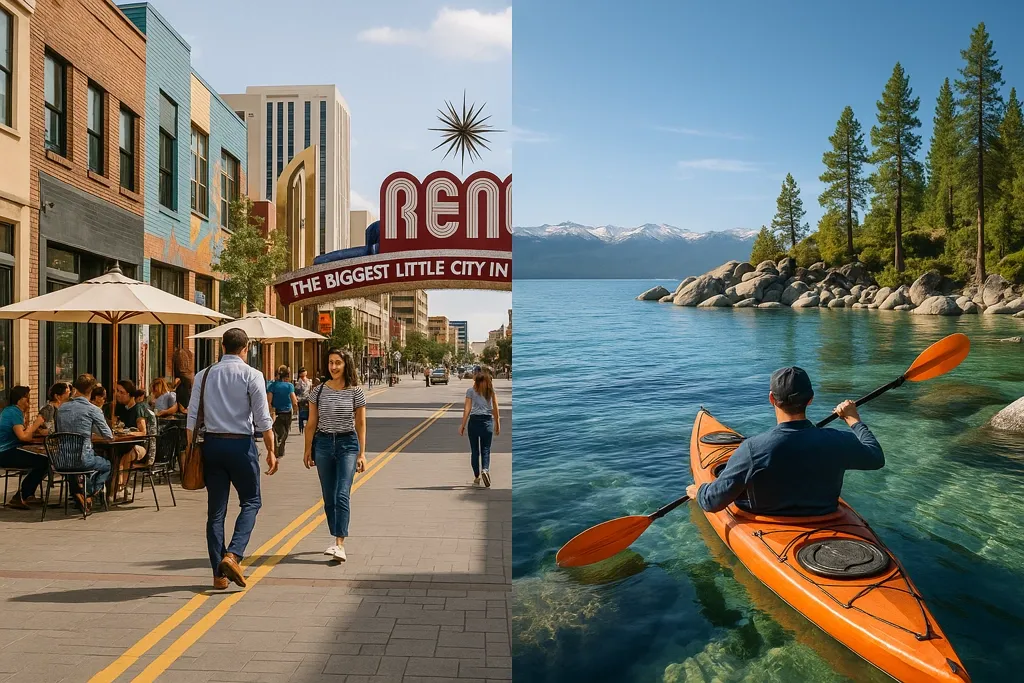
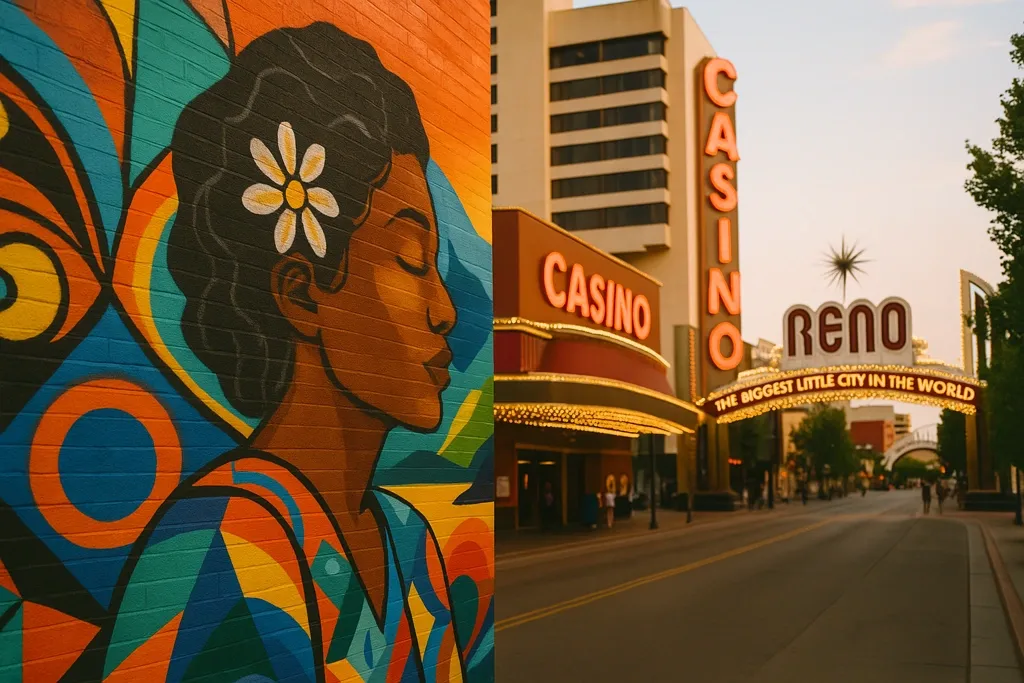
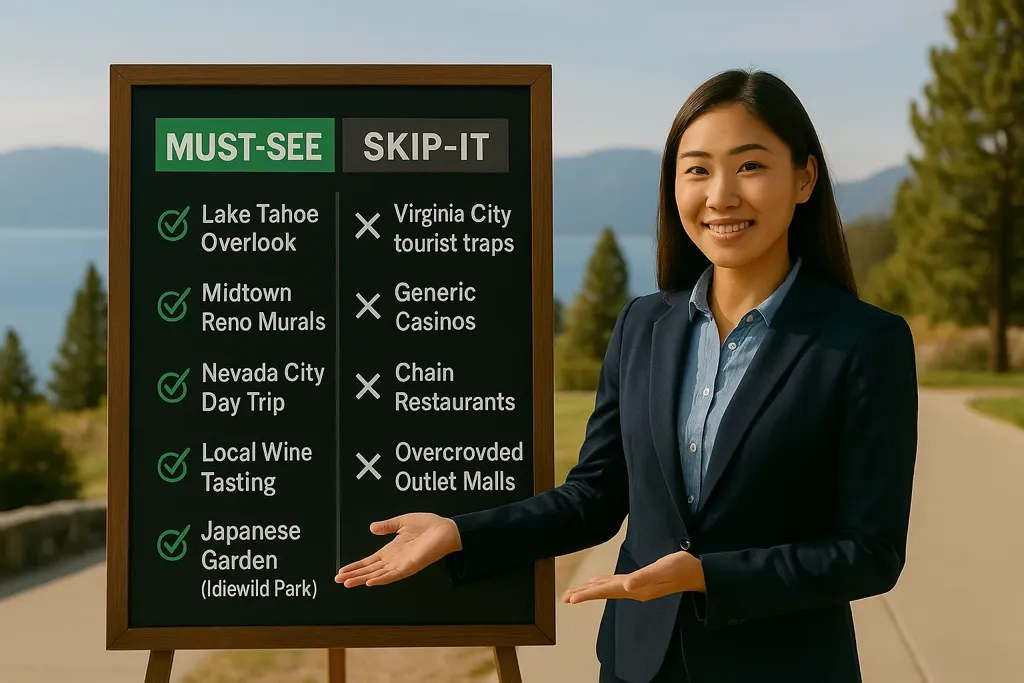
Life in the Reno-Tahoe region blends the energy of a growing city with the calm of the nearby Sierra Nevada. Reno has steadily transitioned from a casino town into a hub for technology, logistics, and clean manufacturing, while maintaining a relaxed, approachable pace. The Midtown district showcases a thriving local arts scene with galleries, studios, and rotating public exhibits. Just under an hour away, Lake Tahoe offers year-round outdoor recreation — skiing, hiking, kayaking, and quiet time in nature are all part of daily life. The area’s job market supports a range of industries, and many professionals are drawn here for the combination of career opportunity and natural surroundings. At PGS, we support individuals and families relocating to this region, helping them adjust to the local flow — from professional life to leisure — with confidence and ease.
Some Facts About Reno Nevada
Average Days of Fun in the Sun
Average Inches of Snow Lake in Tahoe
Million Visitors Regionally in 2025
Casinos+ in Reno, More in Tahoe